Experiences –
Basics
1
Trash Bins

You might notice that trash bins are quite rare in Japan - most people take their trash home with them. Bins next to vending machines are usually only for cans and plastic bottles, not general waste. Each city or town may have different recycling rules, so check the labels on bins before throwing anything away.
Also, please don’t leave large unwanted items like suitcases or clothes at airports or hotels - that’s considered bad manners. If you need to dispose of something, ask your accommodation or local staff for help.
2
Taking Photos

If you’d like to photograph local children, you must ask their parents or guardians for permission first. In Japan, most schoolchildren wear uniforms and carry special backpacks called randoseru, which may look cute and very “Japanese,” but please avoid taking photos without consent.
When you want to post a picture on social media, you can simply ask, “Instagram, OK?” - it’s a polite and easy way to check before sharing. Be mindful that posting of popular spots, like small restaurants or shops, can sometimes lead to overcrowding and create extra pressure for local businesses.
Also, note that drones are regulated in Japan - make sure to check the rules before flying one.
3
The Hidden World
of Japanese Toilets

Let’s talk about Japanese toilets - they’re super clean, high-tech, and might surprise you at first!
- If there are toilet slippers, please change into them before entering.
- On Western-style toilets, sit down - don’t squat on the seat.
- If you’re using a washlet (bidet toilet) for the first time, check the buttons carefully or look at the guide before trying it!
- Use only the toilet paper provided, and make sure to flush it after use.
- Before leaving, check to make sure the toilet area is clean for the next person. (Tip: Wiping the seat lightly with paper is considered thoughtful! )
Japanese toilets are known for being spotless and comfortable - once you get used to them, you’ll never want to go back!
4
Public Baths
& Hot Springs
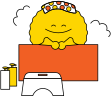
Ready to try a Japanese-style bath? Here’s how to soak like a local!
- People bathe naked - swimsuits aren’t used.
- Always wash and rinse your body thoroughly before entering the tub.
- After using a bucket or stool, rinse it off and put it back neatly. (Standing up to check around before you leave is a nice touch!)
- When you enter the bath, keep your towel out of the water - place it on your head or beside the tub.
- Some baths don’t allow tattoos for cultural reasons. However, many places now accept them if they’re covered with a sticker or patch, so check before you go.
Once you know the rules, Japanese baths are a truly relaxing and unforgettable experience.

5
Useful Everyday
Manners

- Smoking: In cities like Tokyo, Osaka, and Kyoto, smoking on the street is prohibited in many areas. Always smoke only in designated smoking zones.
- Resting outdoors: Benches and seating areas are limited in Japan, so it might be hard to find a place to rest. However, sitting on temple grounds, shrine paths, or private entrances is considered disrespectful. Instead, take a break at a public bench, park, or café.
- Shoes indoors: In Japan, people remove their shoes before entering homes and many indoor spaces. If you’re unsure, look for a sign near the entrance, or politely ask. When you take off your shoes, place them neatly side by side - it’s a small act that leaves a great impression!
6
Have You Ever Filled
Out a Survey?

At tourist spots, airports, or hotels, you might be asked to fill out a survey. In Japan, there’s a strong culture of “growing services together with customers.” Your feedback is often used directly to improve services - it really makes a difference! So when you have a moment, please take the time to answer. Your voice helps Japan offer even better hospitality for everyone.